

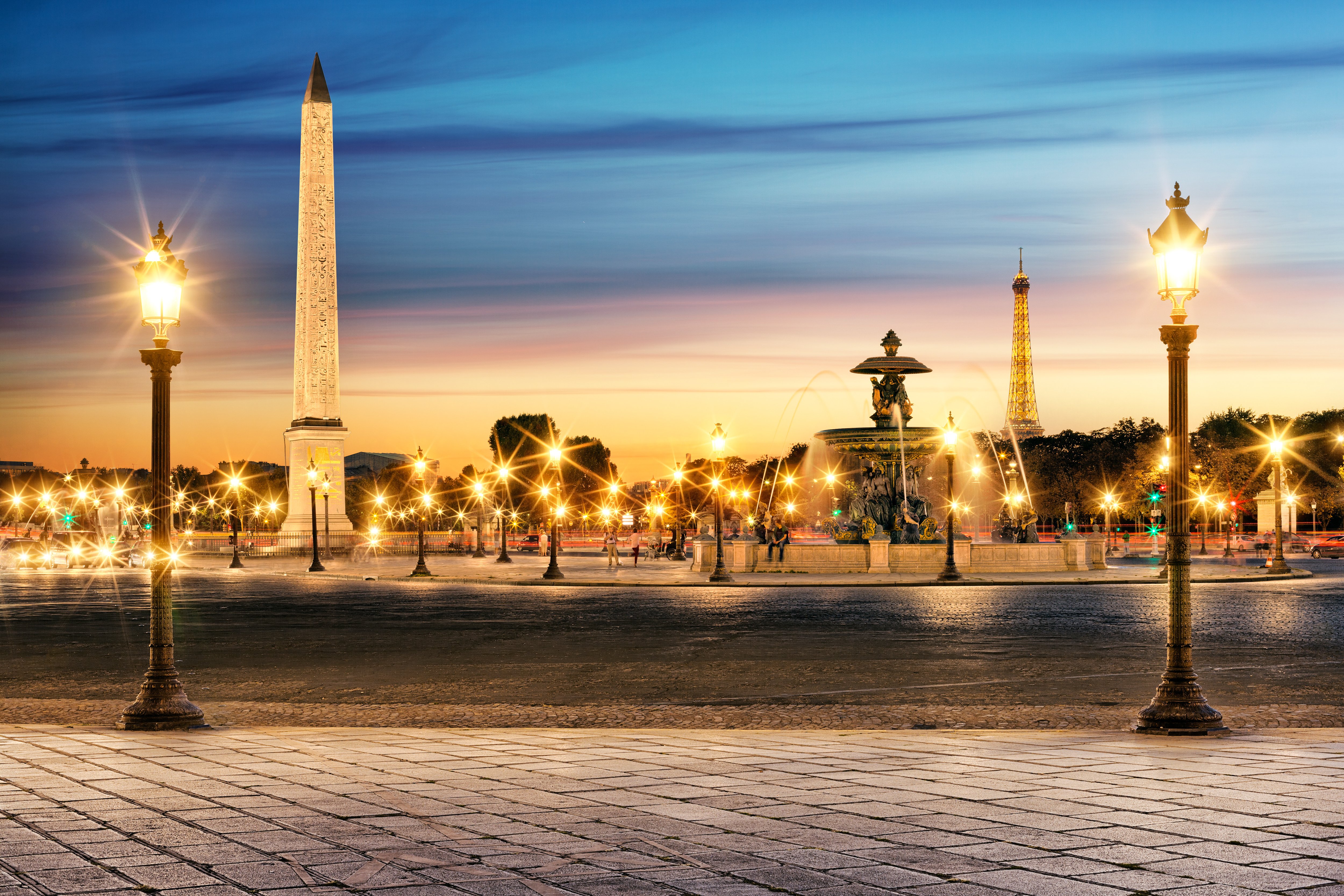
In 1789, France's revolution began in Paris — and despite everything the city has been through since, it still holds more traces of that upheaval than anywhere else. For history enthusiasts, there's nothing quite like standing on the ground where it actually happened. And for anyone who switched off during school history lessons, walking through the real locations has a way of making it click like nothing else can. July 14 - Bastille Day - is fast approaching, so if you're in Paris and would like to immerse yourself in the tumultuous history of the French Revolution, follow our guide!
Place de la Concorde - Where the guillotine fell
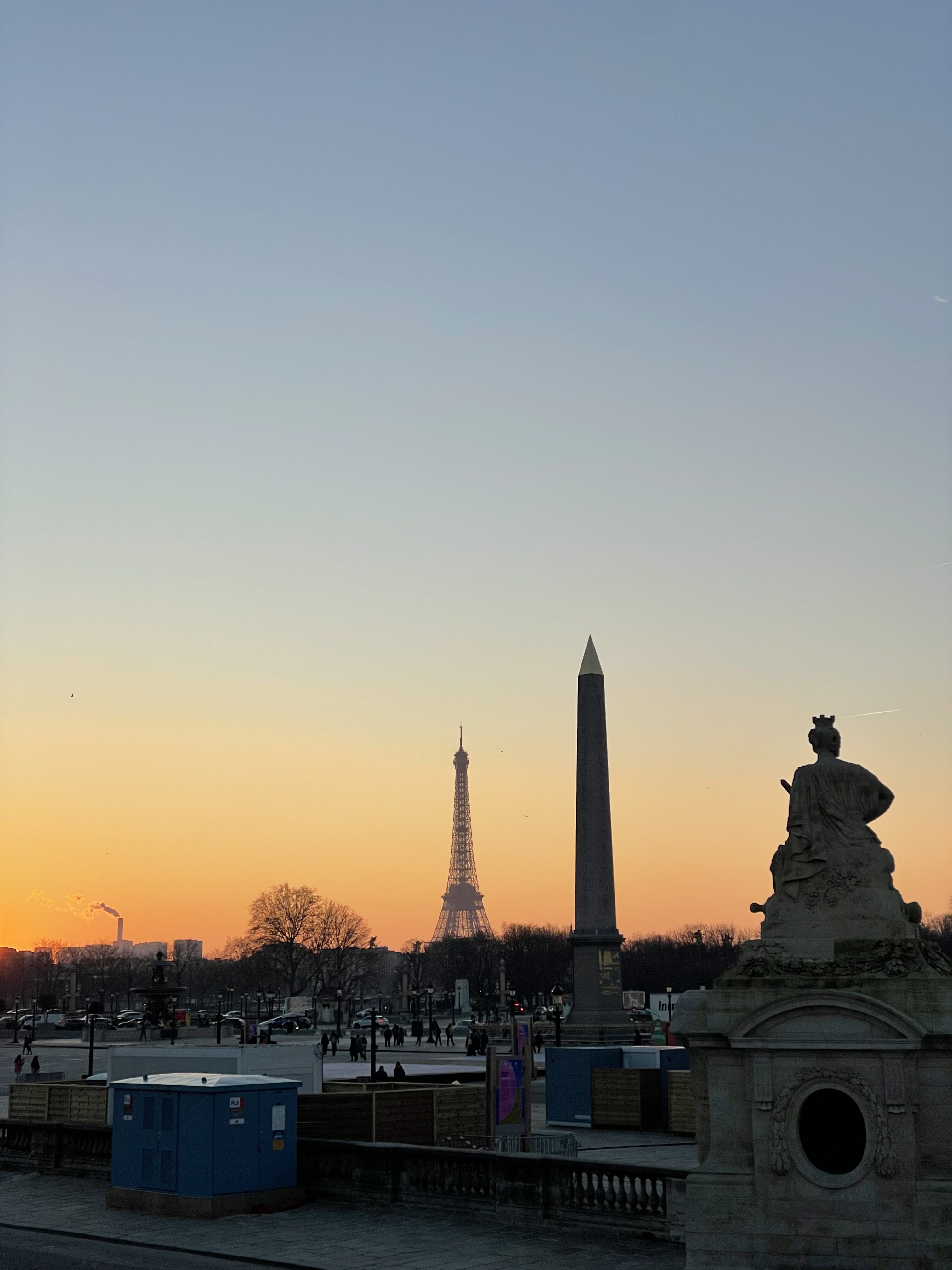
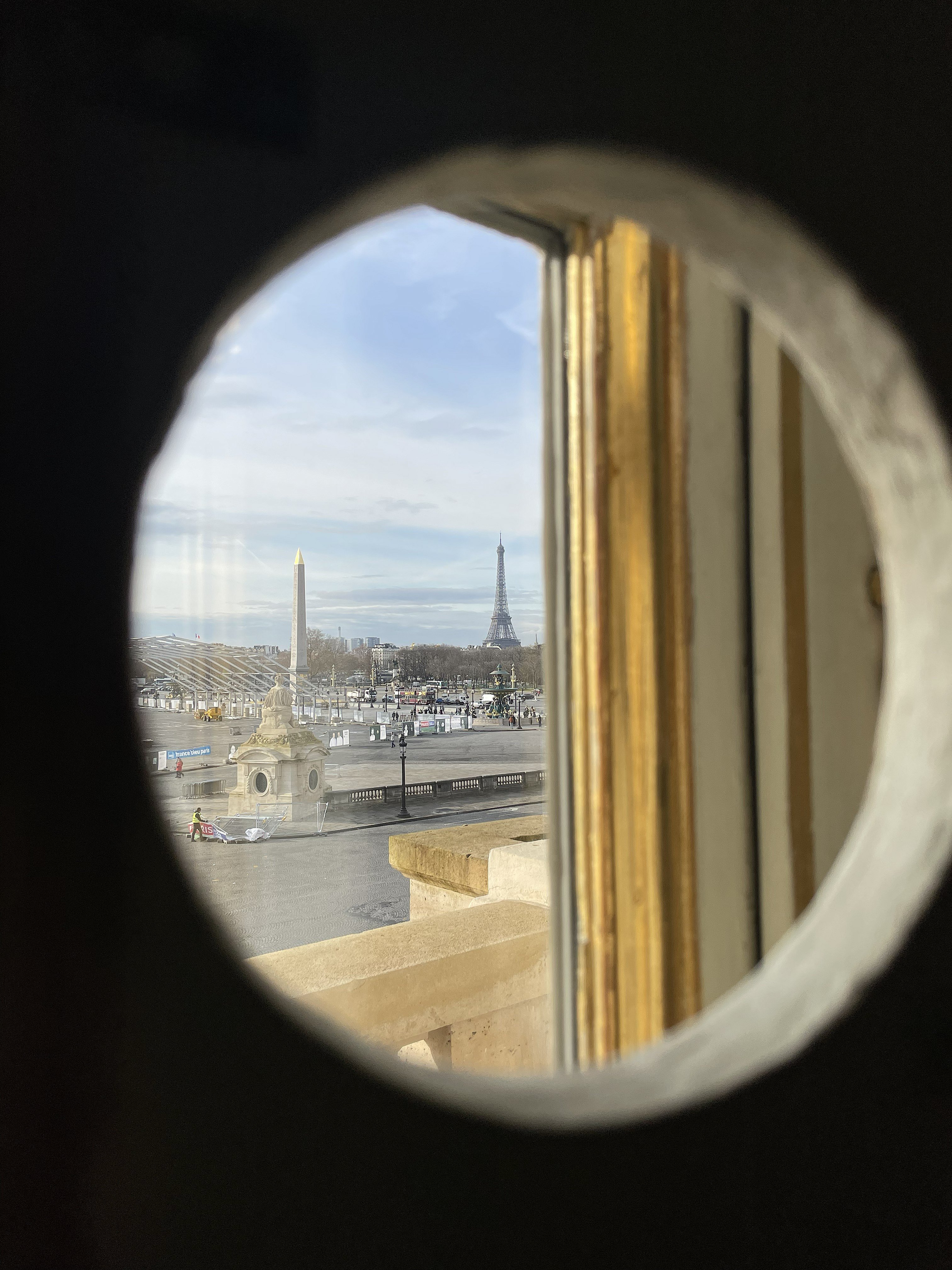
One of Paris's most elegant squares today, stretching between the Tuileries Gardens and the Champs-Élysées, the Place de la Concorde hides a grisly past. The Egyptian obelisk at its centre is the oldest monument in Paris, dating to around 1300 BCE — though it only arrived here in 1836, chosen deliberately as a neutral landmark to mark a fresh start and quietly erase the memory of what the square had witnessed.
It was originally the Place Louis XV, named after the king who commissioned it. The Revolution renamed it the Place de la Révolution and put it to darker use: this was the guillotine's preferred address. At its peak, the machine — nicknamed the National Razor — could sever twelve heads in five minutes. Landlords on the nearby Rue Saint-Honoré reportedly complained that the smell of blood in the gutters and the sight of the tumbrils passing by were lowering their rents. Side note: A tumbril was a two-wheeled, open wooden cart originally designed for carrying heavy loads such as manure, stones, or agricultural produce. During the French Revolution, it became infamous for a much darker purpose: transporting prisoners to the guillotine.
Before an execution, those condemned were loaded into tumbrils—often with their hands tied—and driven slowly through the streets of Paris to the execution site, most famously here at the Place de la Concorde. The long journey served as a public spectacle, allowing crowds to jeer, cheer, or simply witness the fate of the condemned.
It was here, on a cold January morning in 1793, that Louis XVI was executed. A drum roll drowned out his attempt to speak to the crowd. After the blade fell, a brief silence — then the witnesses surged forward, dipping their handkerchiefs in his blood.
Marie-Antoinette followed him that October. As she passed the Louvre on her way to the scaffold, the painter Jacques-Louis David sketched her from a window — erect, white-haired, hands bound behind her. The crowd that day was a world away from the joyful throngs who had welcomed her to France twenty-three years earlier. Even so, tripping on her executioner's foot at the last moment, she is said to have turned to him and said: "Pardon, sir — I didn't do it on purpose."
The Conciergerie - A Queen imprisoned
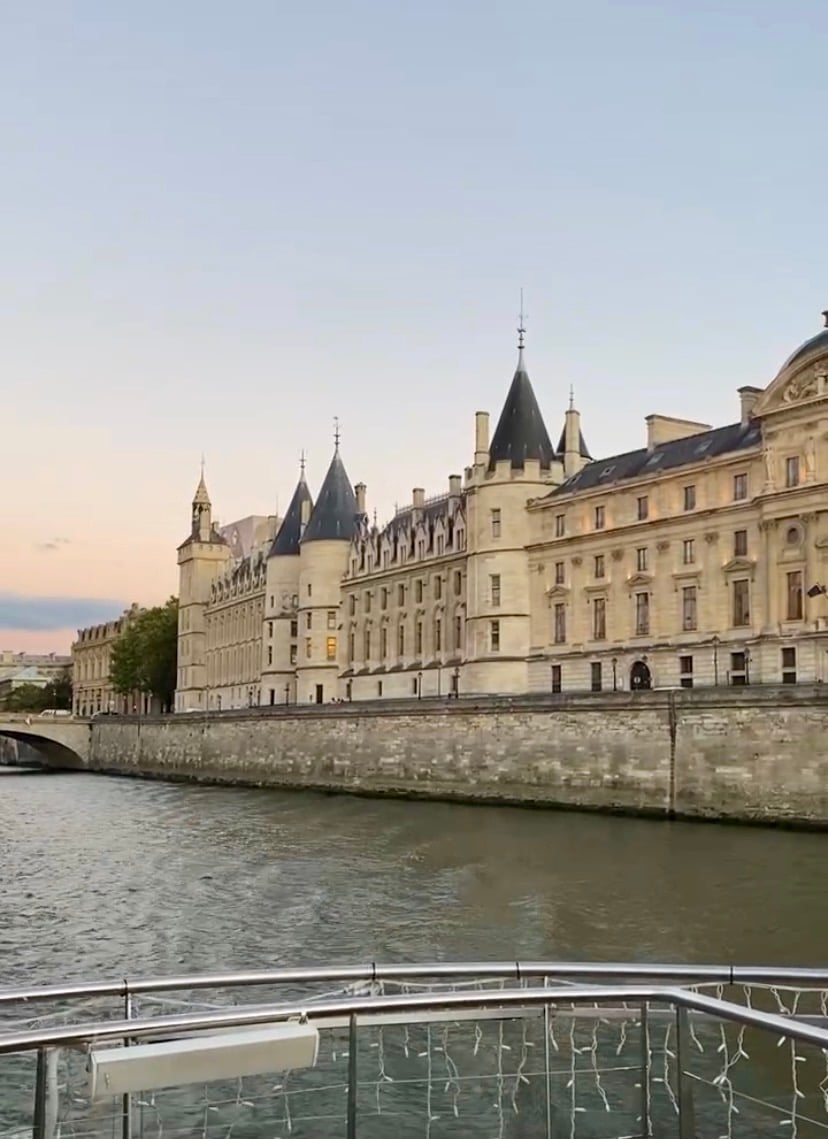
Marie-Antoinette may have felt trapped at Versailles, but her final weeks were spent somewhere far grimmer. The Conciergerie — its towers a familiar part of the Paris skyline — was the most feared prison of the Revolution, and it is now a museum where restored cells can still be visited.
Conditions inside were wretched. Prisoners were packed so tightly that a lit candle would be snuffed for lack of air. And yet, remarkably, many of the nobles awaiting death kept up appearances — ladies still changed gowns according to etiquette, maintaining the rituals of a world that was about to be taken from them.
The building itself is far older than its grim reputation. Much of what stands today dates to the 19th century, but it sits on the footprint of the original royal palace — predating both Versailles and the Louvre as a seat of French royal power. Its medieval interior survives in places, and represents some of the rarest examples of civic Gothic architecture in France.
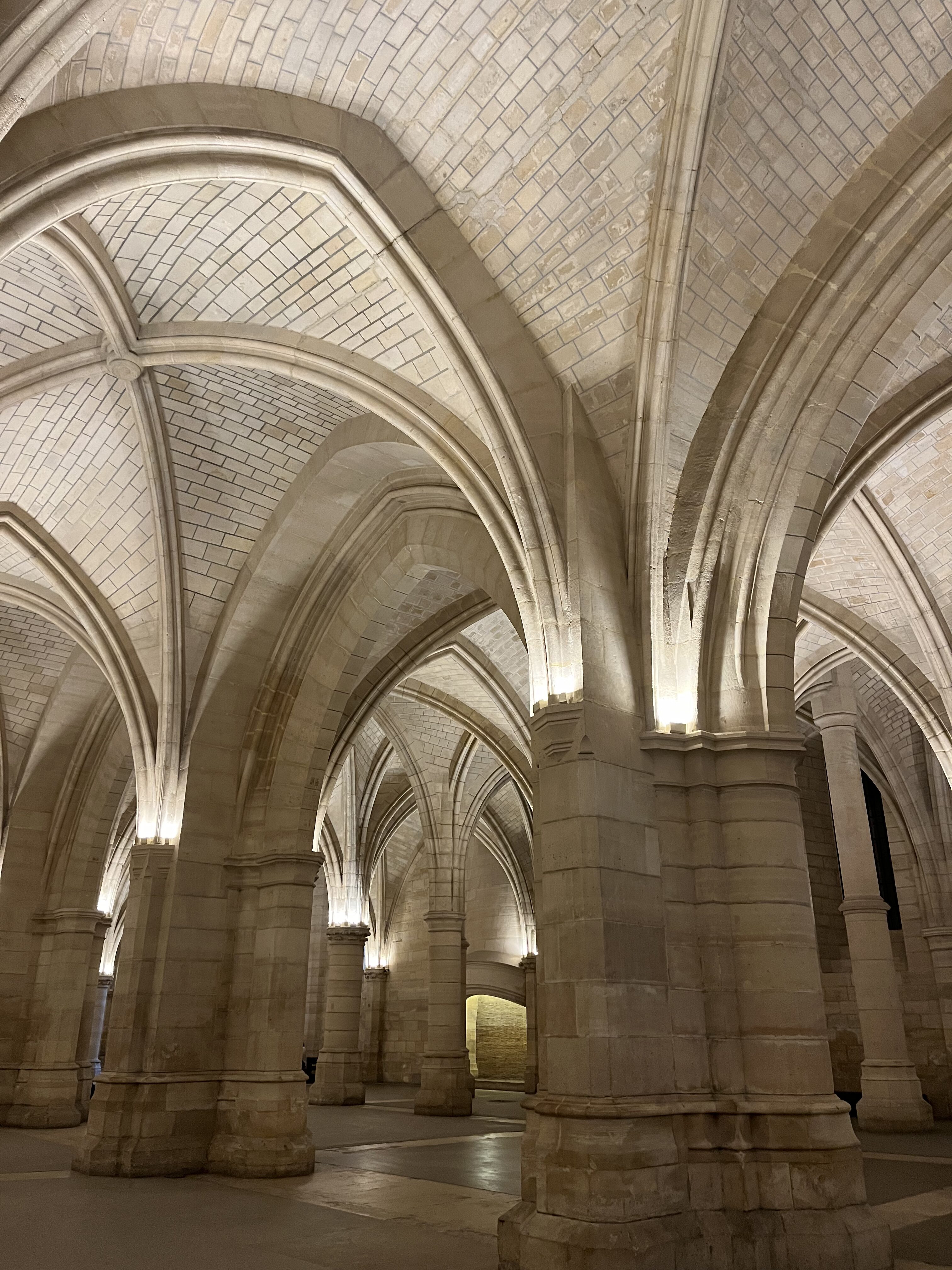
During the Reign of Terror, grand buildings across Paris were commandeered as prisons. But most prisoners passed through the Conciergerie eventually, after what passed for a trial in the Salle des Gardes — the great hall where fates were decided in minutes. The attorney general encouraged the condemned to write farewell letters to their loved ones. He never sent them — they were read for intelligence instead.
The Bastille - Gone but not forgotten
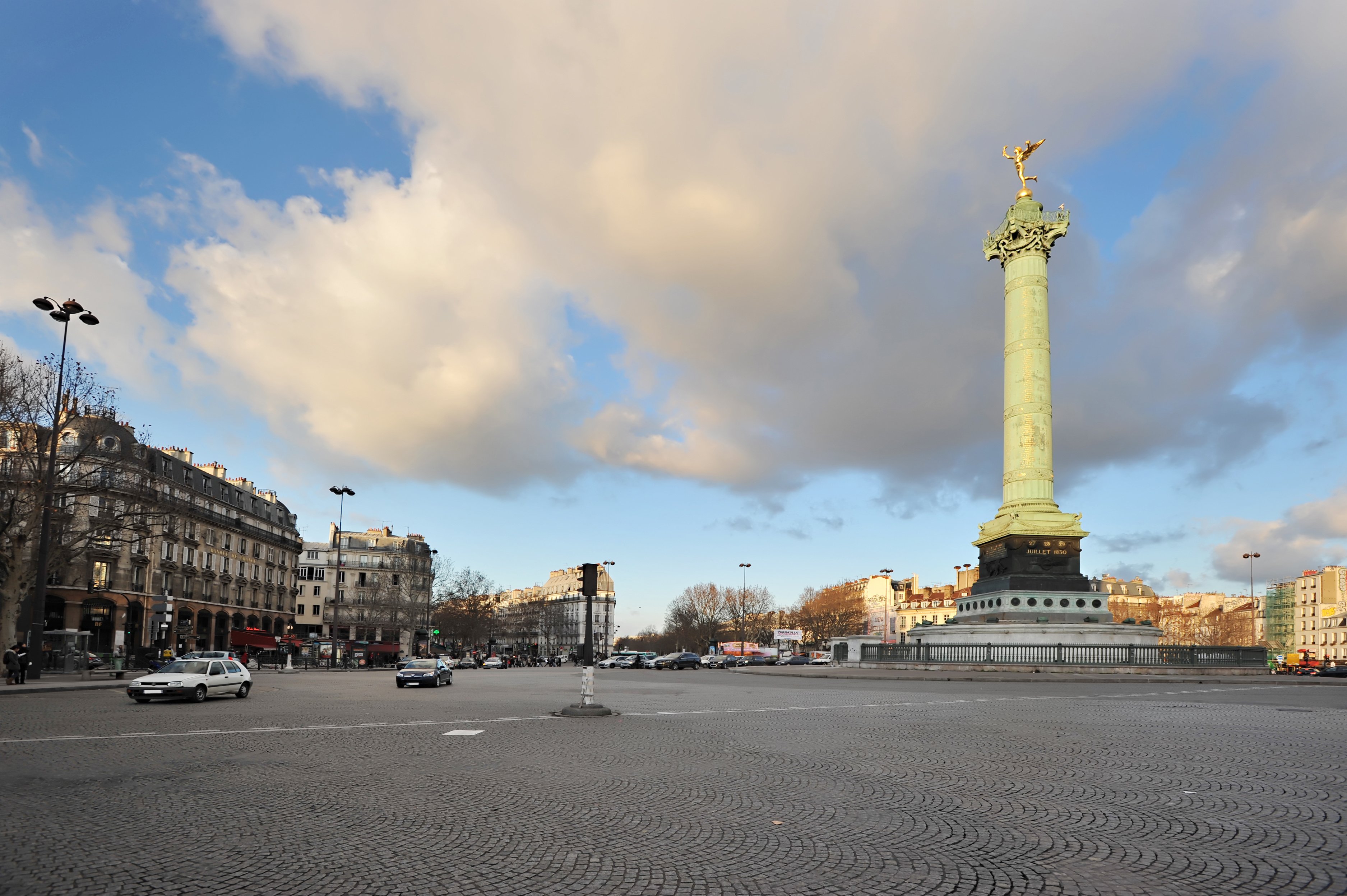
Taxi drivers claim visitors still ask to be taken to the Bastille. You can go — the neighbourhood locals call the Bastoche is lively and well worth an evening — but the fortress itself is long gone. Originally built in the Middle Ages as a fortified gate in the city walls, it gradually became something more sinister: a place where people could be made to disappear, indefinitely, on nothing more than a royal order known as a lettre de cachet. By 1789 it had become the most hated symbol of tyranny in France. The Marquis de Sade was among its inmates.
On a hot July day in 1789, the people stormed it — and then systematically took it apart. Its stones were turned into rubble, said to have been used to pave the Pont de la Concorde; into miniature model Bastilles, one of which you can see at the Carnavalet museum; and eventually even its chains were melted down into souvenir shoe buckles.
A fortress with eight towers doesn't vanish without a trace, though. For those who look carefully, the Bastille is still there.
The most ghostly remnant is on the cobbles around the rue Saint-Antoine — red outlines marking the phantom footprint of the walls. On Line 5, the Bastille platform reveals the foundations of the eastern moat. And just down from the Place de la Bastille, in the Square Henri-Galli, one of the eight towers — the so-called Liberty Tower — was relocated here during excavations. Today mothers and nannies watch children on the swings beneath it, seemingly unbothered by the fact that one of the most notorious prison walls in history is watching over them.
The Palace of Versailles - Seeds of Revolution
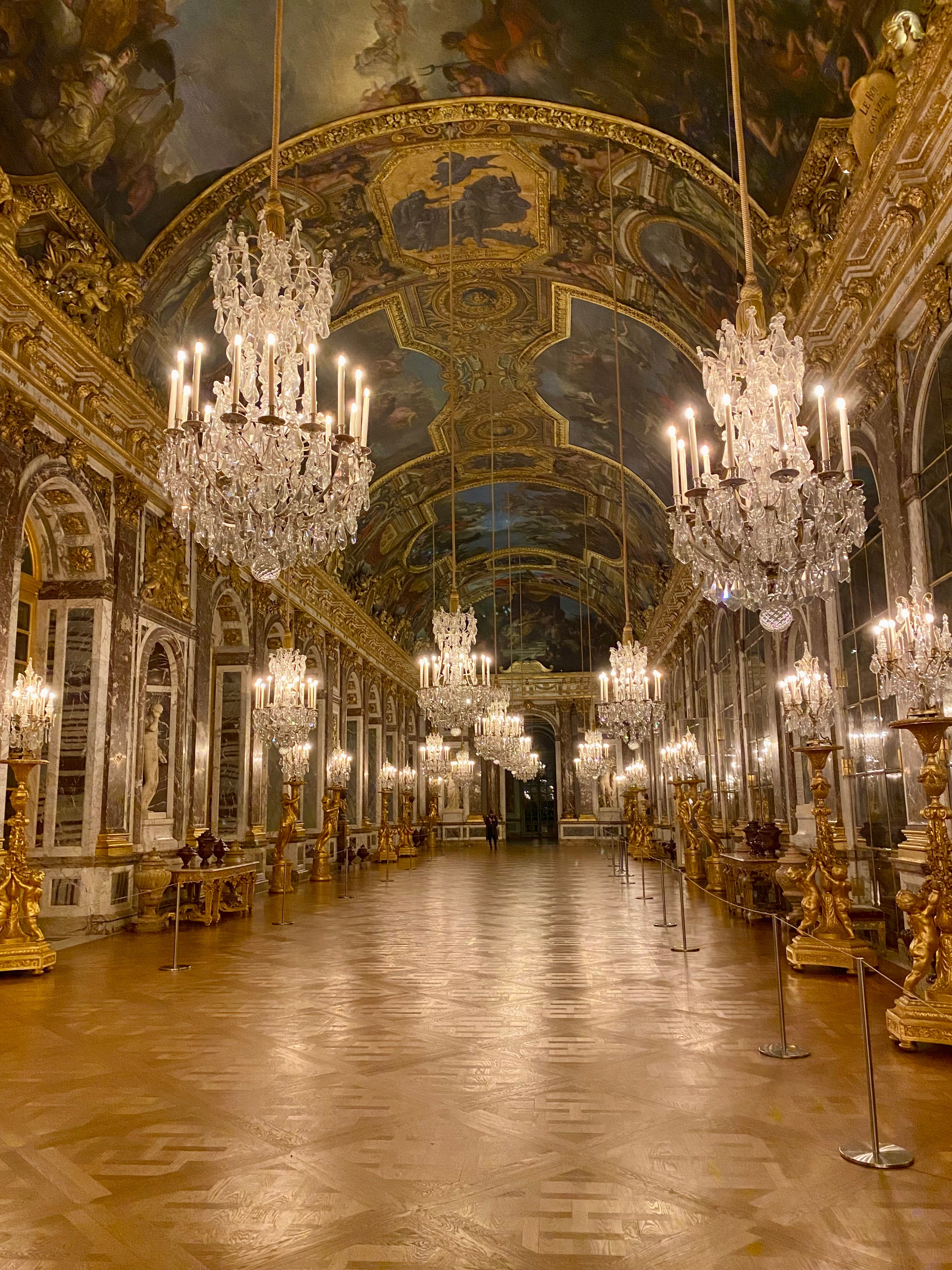
To understand what brought on the wave of destruction, Versailles is where you start looking. The scale of the place alone — the gilded walls, the mirrored halls, the sheer accumulation of splendour — goes some way to explaining why the people eventually lost patience. Whether it strikes you as magnificent or maddening probably says something about you. Either reaction is valid.
A half-day tour with us takes you through both the political context and the more human story behind it — the gossip, the rivalries, the rituals of court life that made Versailles as much a trap for its inhabitants as a palace. This isn't about memorising dates. It's about understanding how a particular way of life collapsed, and why that collapse changed the world.
If you want to go further, a full day allows you to escape the crowds and explore Marie-Antoinette's private domain — the Petit Trianon, where she could gamble through the night with her chosen few, and the Hameau, her famous play village, where the queen of France kept a working farm. It is all poetry and escapism, right up until it wasn't.
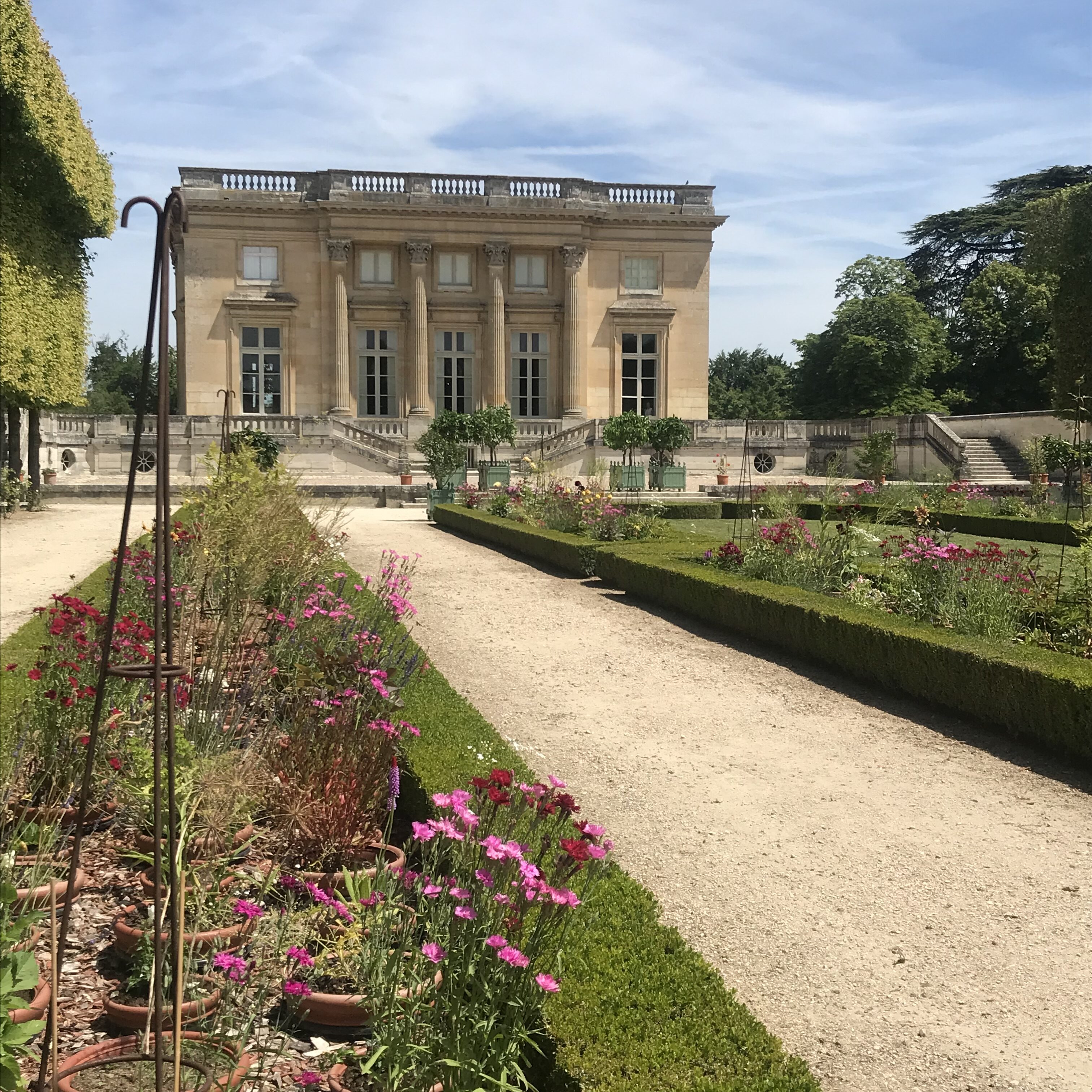
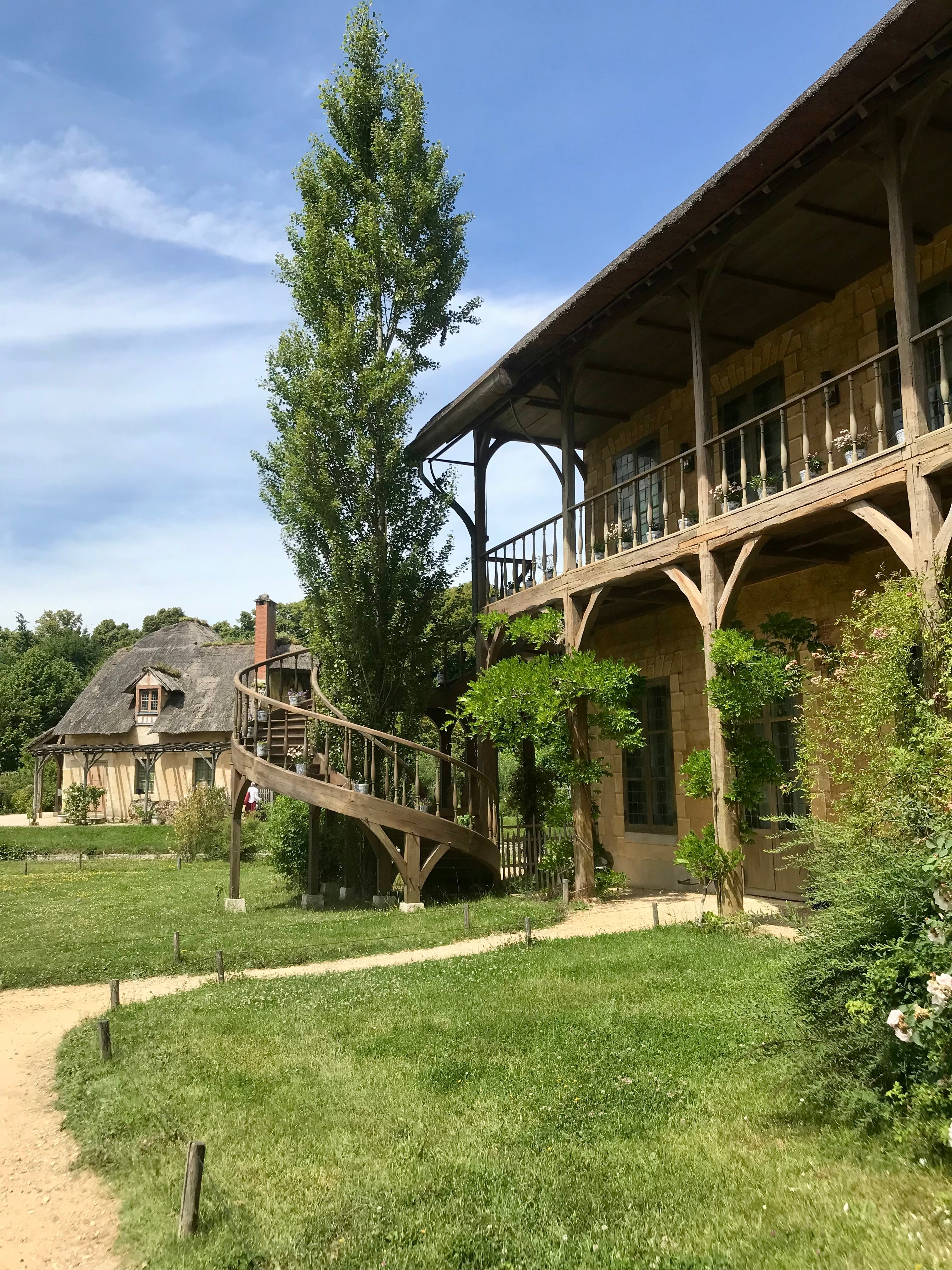
Already seen the palace and not inclined to revisit? We also offer an afternoon in the private domain only — the retreats without the throne room. A dreamscape, even if it did end in a nightmare.
Palais Royal — Where the Revolution Was Plotted
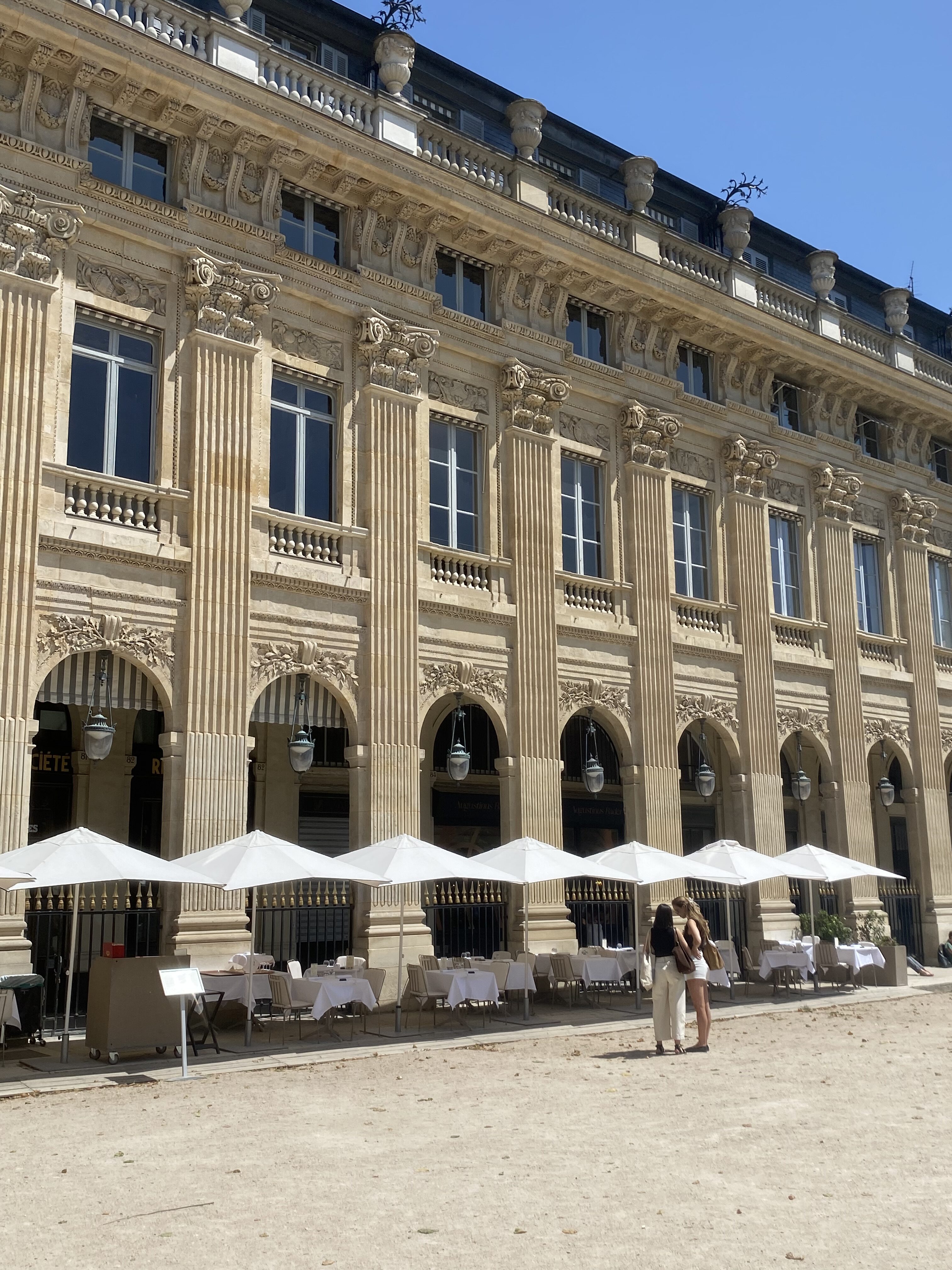
At the time, people said that if Paris was the capital of France, the Palais Royal was the capital of Paris. It belonged to the King's own brother, the Duke of Orléans — who would later vote for his sibling's execution — and his ownership meant royal censors had no jurisdiction here. The result was a free-for-all: gambling dens, radical newspapers, and the pamphlets savaging Marie-Antoinette that circulated nowhere else so freely.
On 12 July 1789, two days before the Bastille fell, the journalist Camille Desmoulins jumped onto a table at the Café de Foy, drew two pistols, and harangued the crowd to arm themselves. They did. The café no longer exists, but the arcades are much as they were — walk through them and the geography of that moment is surprisingly easy to imagine.
The Palais Royal accumulates dates like few places in Paris. On 20 January 1793, a former noble who had just voted for the King's death was assassinated in the Galerie de Valois. Six months later, Charlotte Corday bought the knife here that she would use to kill Marat in his bath — believing, not entirely wrongly, that he was driving the Terror. David painted the aftermath. The arcade where she made her purchase still stands.
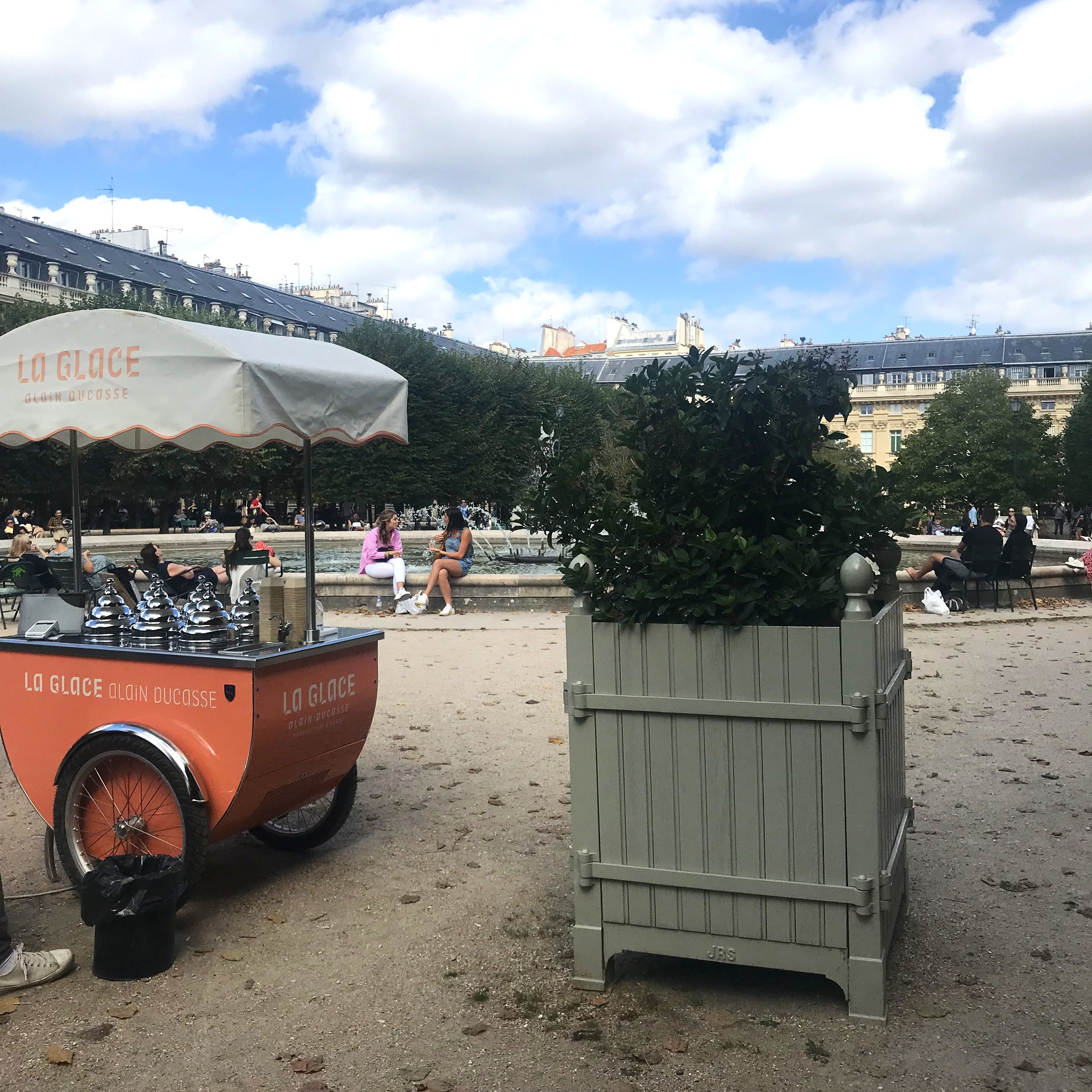
Café Véfour, one of the most beautiful restaurants in Paris, occupies the space once known as the Café de Chartres, where Revolution leaders reportedly gathered. The prices are Michelin-starred; the setting is worth a look even if you only stop for a coffee.
Rue Saint-Honoré — The Road to the Guillotine
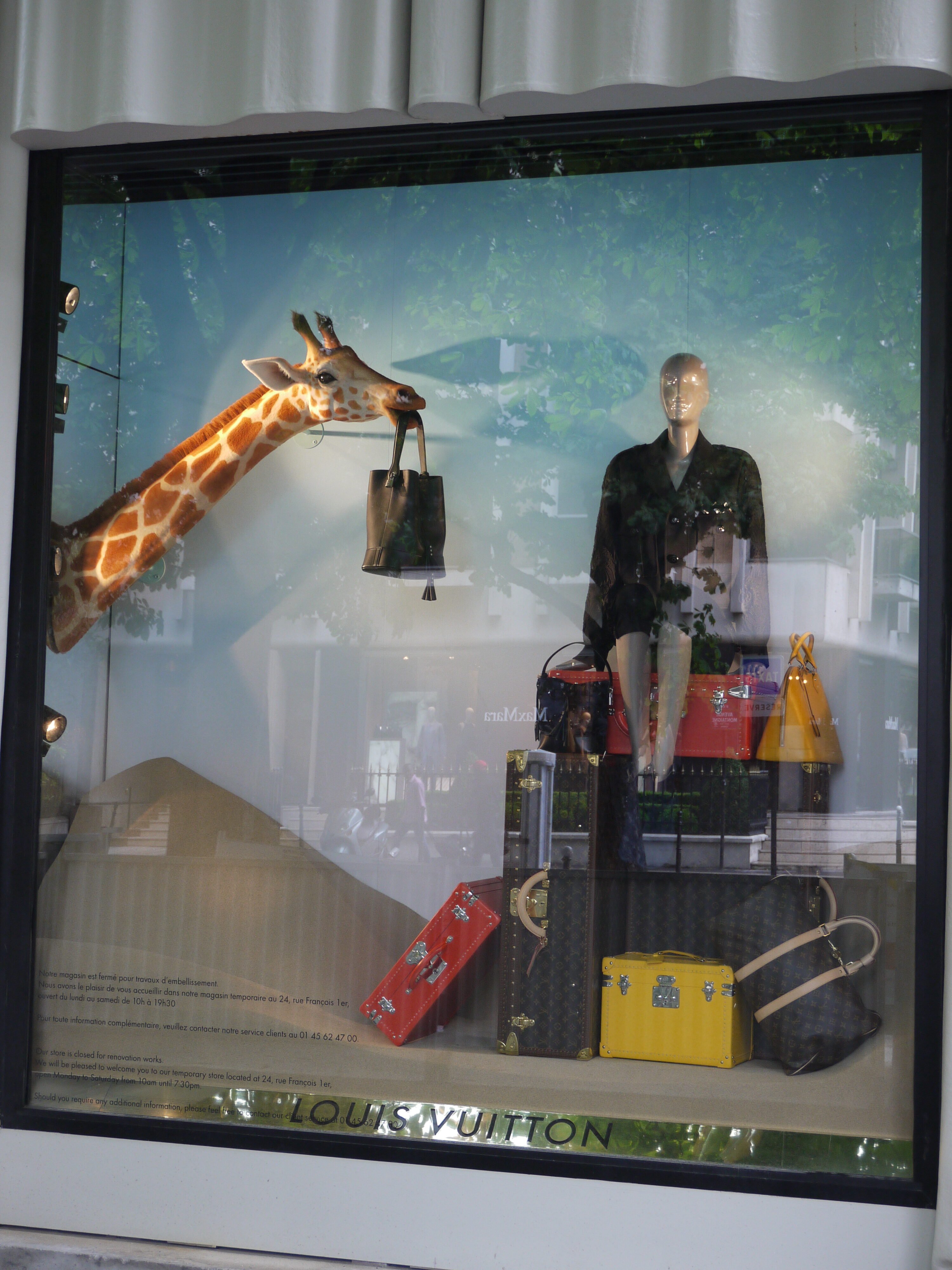
Nowadays the rue St Honoré is home to most of the major French and international fashion labels, and the strolling ground of the rich and elegant. However, before Napoleon built the rue de Rivoli, the rue Saint-Honoré was the route the tumbrils took from the Conciergerie to the Place de la Révolution and the guillotine. The condemned passed beneath the windows of one of Paris's most fashionable streets, and the gutters ran with blood.
At N°209, Dr Guillotin had his practice — though the record should be set straight: he didn't invent the device that bears his name. He proposed a more humane method of execution; the machine itself was designed by others. History gave him the credit, and the word.
Around N°332, where the street crosses the Rue du Marché-Saint-Honoré, stood the old Dominican church that became the seat of the radical Jacobin Club, headed by Robespierre. It no longer exists, but the address does.
Robespierre himself lived at what is now N°398, renting rooms from a carpenter named Duplay. He is said to have been engaged to the carpenter's daughter Éléonore — whether they married is disputed and most accounts suggest they did not. When his enemies finally came for him on 9 Thermidor, he was found with a shattered jaw. Whether the wound was self-inflicted or fired by the arresting officers has never been established. He went to the guillotine the following day, his jaw held together by a bandage. The blade, when it fell, tore it away.
The Tuileries Gardens — Where History Gathered
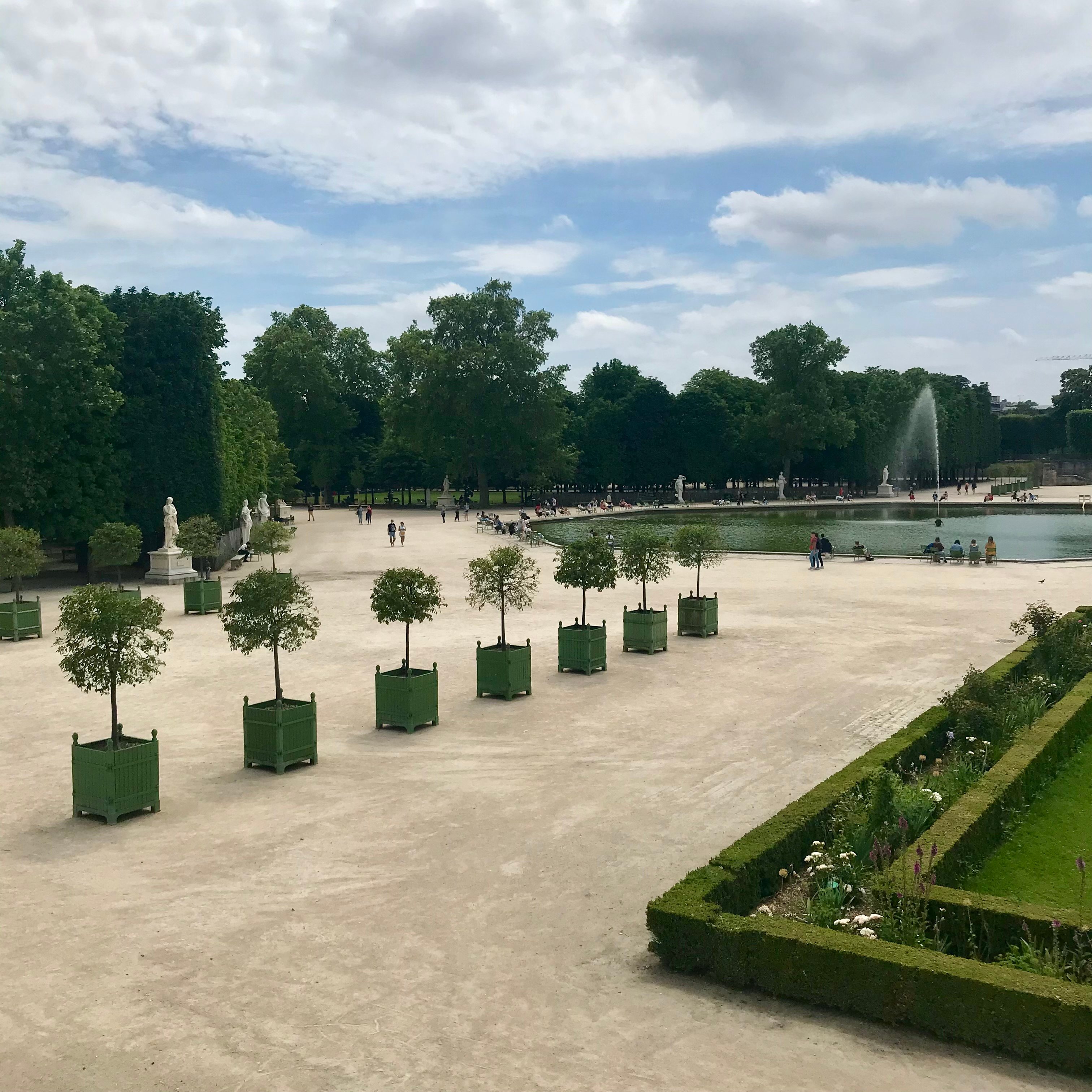
The Tuileries Gardens run alongside the Rue de Rivoli, and on a sunny afternoon they're a fine place to escape the traffic. They're also one of the most historically loaded stretches of ground in Paris.
On 6 October 1789, the royal family was brought here from Versailles under duress, to live in the Tuileries Palace — the building that once stood where the gardens now open onto the Louvre. The palace survived the Revolution but not the Paris Commune; it was burned in 1871 and never rebuilt.
Two years later, in September 1791, the same gardens hosted a very different scene: an enormous public celebration, with tiny lamps arranged in pyramids along the Grande Allée all the way to the Champs-Élysées, and lanterns floating on every fountain basin, marking the King's acceptance of a constitution. The Revolution was still, briefly, a cause for joy.
That mood didn't last. On 10 August 1792, a crowd of more than 20,000 surrounded and stormed the palace in one of the Revolution's most pivotal moments. The King ordered his guards to stand down, but the order came too late. The violence that followed left bodies strewn as far as the Place de la Concorde. The monarchy was abolished that day, and the royal family was taken to the Temple prison.
In the darker months that followed, women patrolled these same garden paths enforcing the legally mandated tricolor cockade — stopping anyone not wearing one. Meanwhile, if the accounts are to be believed, Robespierre walked his Great Dane here in the early mornings. History does not record whether he cleaned up after it.
The Odéon Quarter — Where the ideas were born
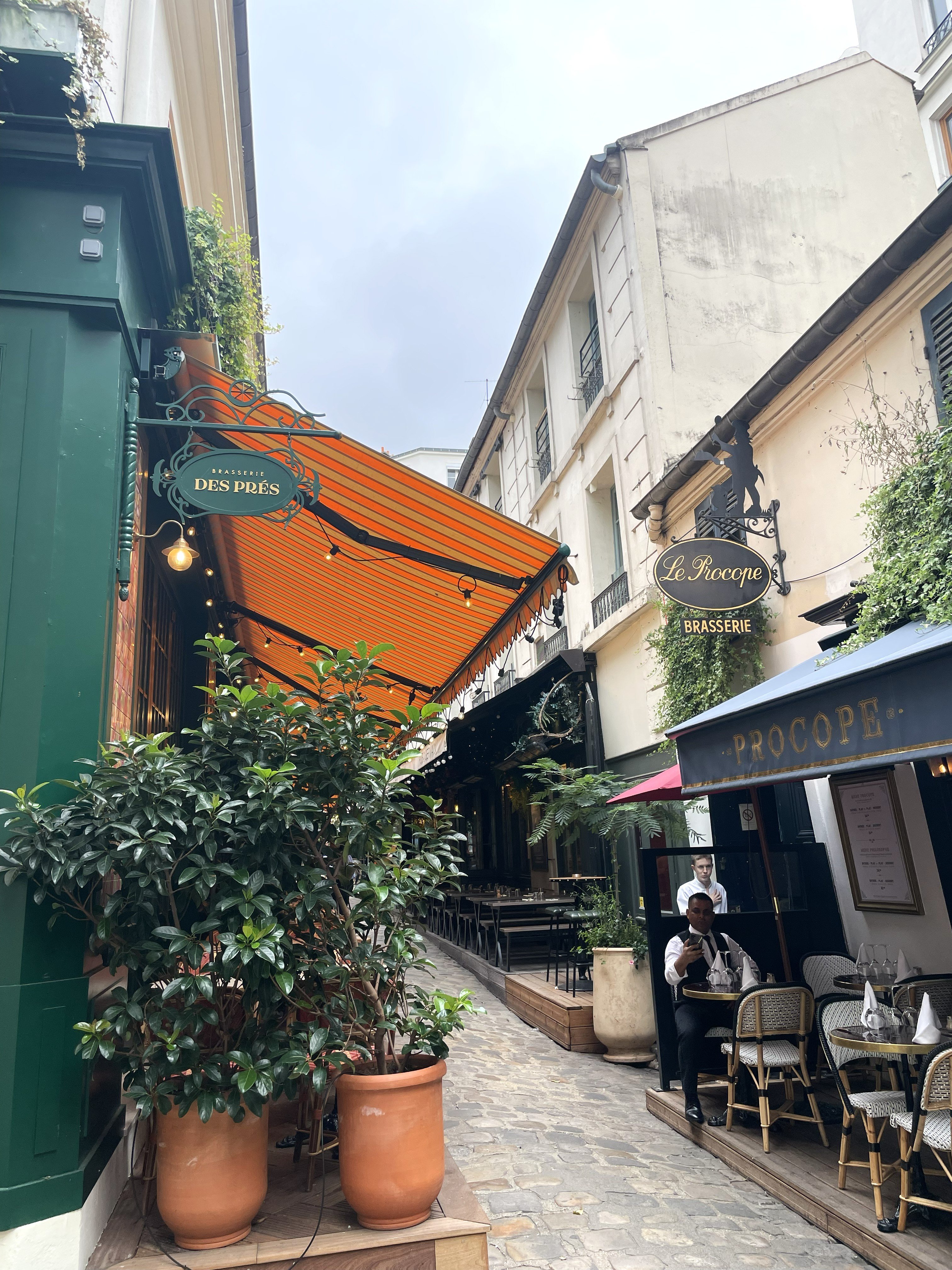
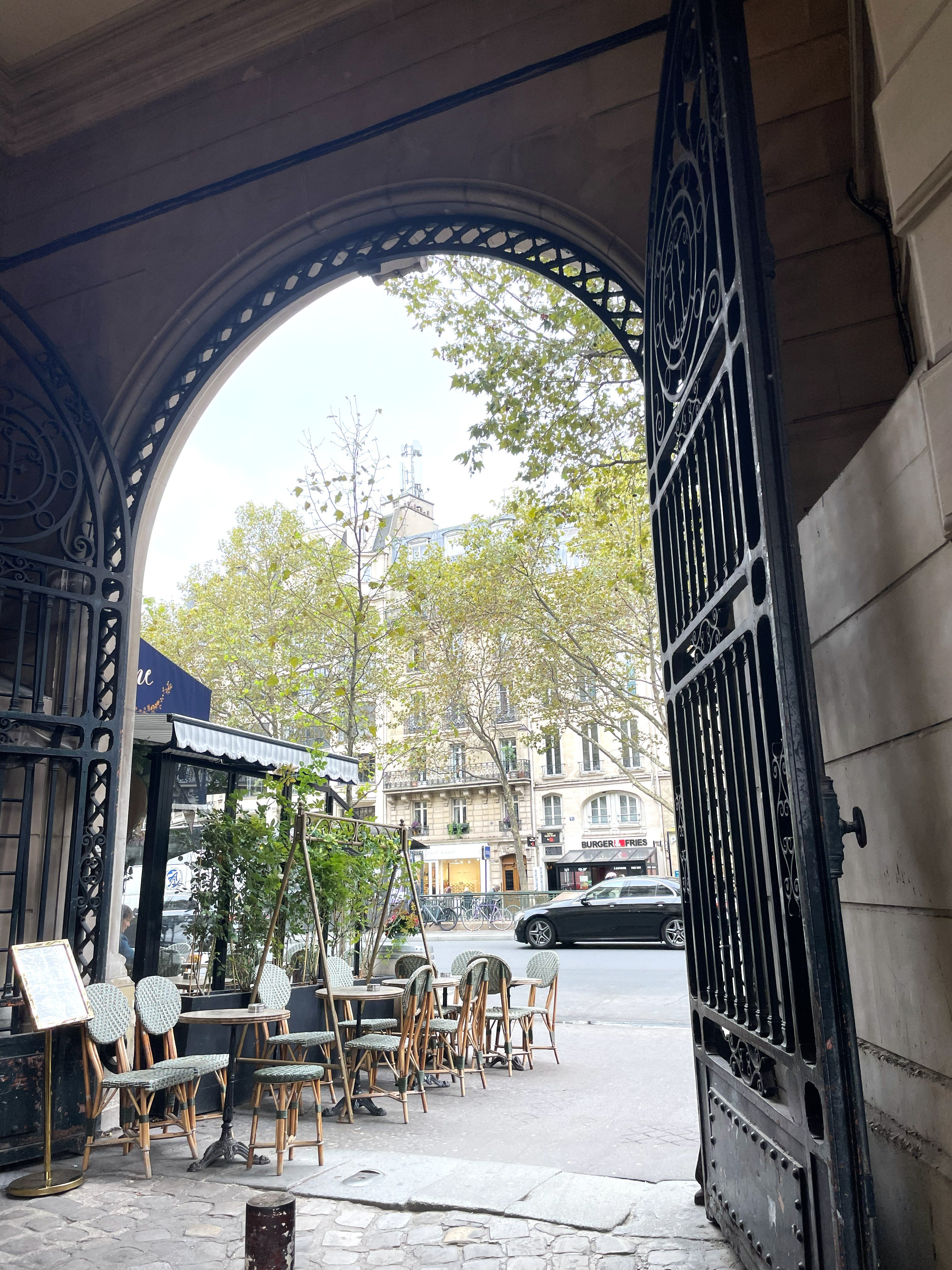
The Odéon quarter has always been the neighbourhood of booksellers, printers, and argument — and in 1789, argument had consequences. Within a few streets of each other lived some of the most consequential figures of the Revolution, and the addresses are still there.
The Cordeliers Club, the Jacobins' great rival, met in a medieval convent near here — a more freewheeling, radical gathering than the Jacobins, and the incubator for some of the Revolution's most dangerous ideas. The medieval refectory survives and periodically hosts exhibitions.
Danton lived in what was then the Cour du Commerce Saint-André — his 19th-century statue still dominates the square, honouring the man who reportedly cried: "Dare, dare again, dare always, and France is saved." At N°8 rue de l'Odéon stood the print shop of Marat, whose journalism was among the most incendiary of the period. At N°9, the courtyard reportedly saw Dr Guillotin — or associates working on his proposal — test an early version of the device on sheep in 1790.
At N°22 lived Camille Desmoulins with his young wife Lucile, a short walk from Danton's door. They were close enough to share dinner and, eventually, a tumbril: both were condemned by Robespierre as insufficiently ruthless — despite the fact that Robespierre had stood as best man at Camille's wedding, in the church of Saint-Sulpice just up the road.
Feminist and abolitionist Olympe de Gouges, who wrote the Declaration of the Rights of Woman and of the Female Citizen, in direct response to the Revolution's failure to include women, also lived in this neighbourhood before she was guillotined.
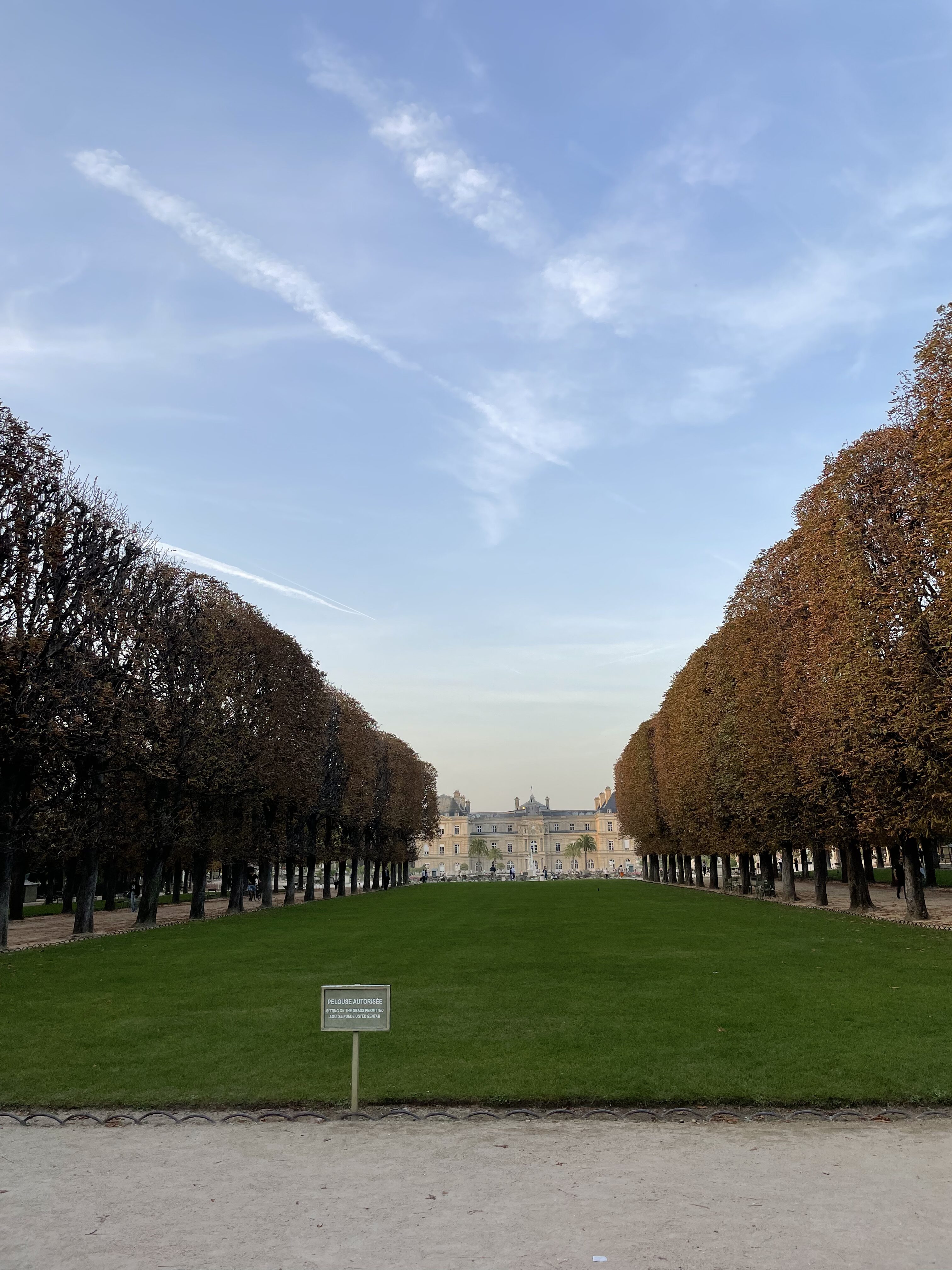
The Luxembourg Palace at 15 rue de Vaugirard, today the French Senate, became a prison during the Terror. Among those held there were Thomas Paine — the Anglo-American political writer whose arguments had shaped both the American and French revolutions — and Camille Desmoulins, before his execution.
Danton and Desmoulins died together at the Place de la Révolution. Camille shouted Lucile's name as the blade fell. He had written to her from prison; the letter survived, tear-stained, though she never received it.
Le Marais — The Neighbourhood That Remembers
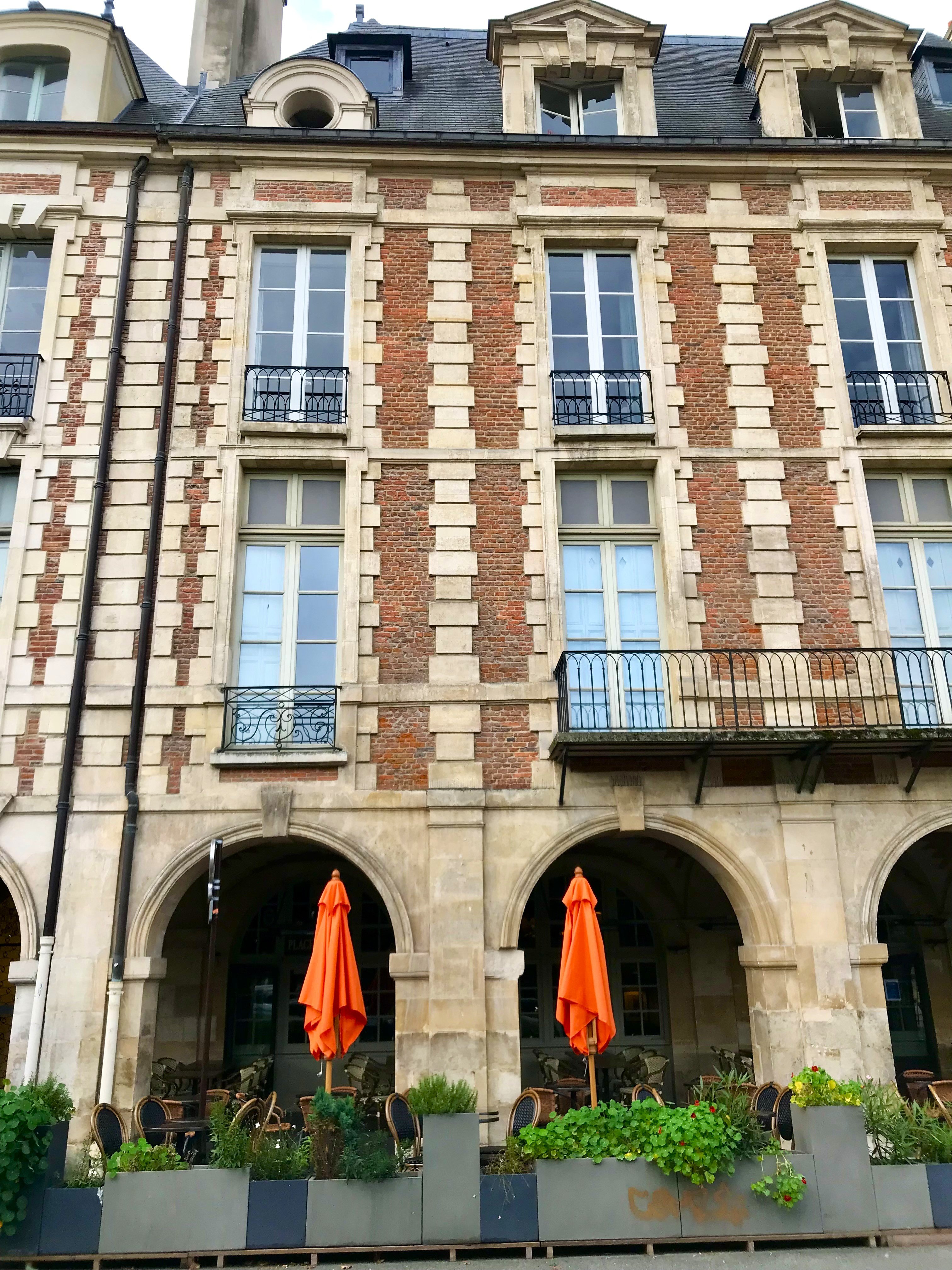
The Marais holds two of the most rewarding stops on any Revolution itinerary, and one of the best free museums in Paris.
The Temple Prison, on the rue Eugène-Spuller, stands as one of the Revolution's most charged addresses — even though almost nothing of it remains. Built on the medieval stronghold of the Knights Templar, whose fortifications made it a natural prison, the complex held the royal family after the storming of the Tuileries on 10 August 1792. Napoleon had it demolished specifically to prevent royalist pilgrimages to the site of their captivity. Look down at the road surface, though, and the prison's footprint is still faintly legible — coloured paving stones trace the outline of what once stood here, if you know to look for them.
A short walk away, the Musée Carnavalet at 23 rue de Sévigné is essential. Think of it as an extraordinarily well-curated attic: a miniature Bastille carved from one of the fortress's own stones, portraits of Camille and Lucile Desmoulins, Louis XVI's written order to his guards to stand down on 10 August, proclamation posters, and Marie-Antoinette's supposed shoe, among much else. It is free to enter, housed in a magnificent old mansion, and consistently undervisited relative to its quality.
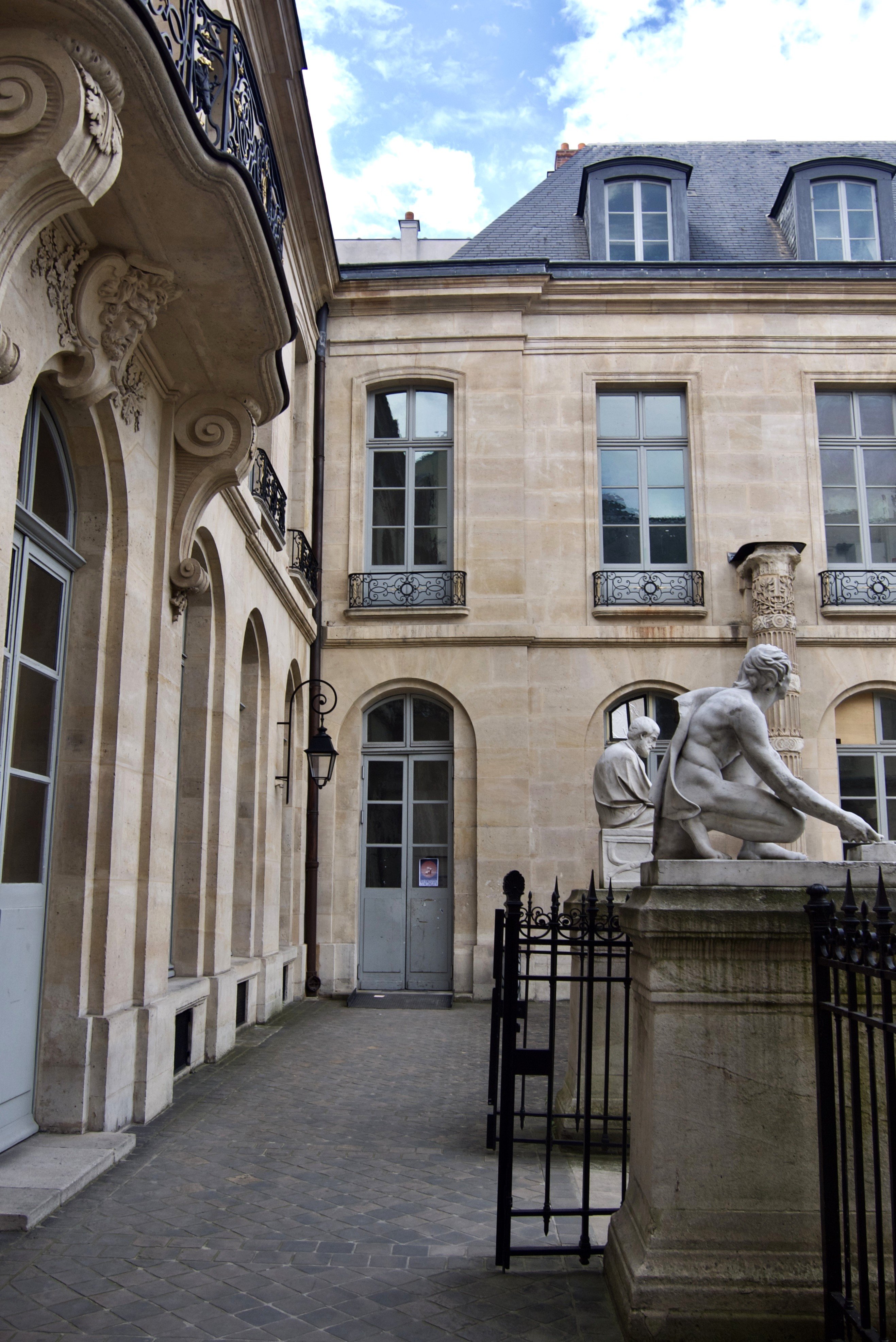
The rue Saint-Antoine, meanwhile, is where much of the revolutionary energy of 1789 was generated. The neighbourhood was home to skilled artisans — cabinetmakers, carpenters, furniture craftsmen — and it was here that one of the Revolution's forgotten preludes took place. On 27-28 April 1789, riots broke out after rumours spread that a local manufacturer named Réveillon had proposed cutting workers' wages. The uprising was suppressed, but the anger didn't go away. Two and a half months later, many of the same people stormed the Bastille. The furniture trade the artisans built is still visible today in the showrooms lining the street as you head east towards the 12th arrondissement.
In Closing
Paris was overhauled so thoroughly in the 19th century that the revolutionary city can feel like a ghost — but it's still there, written into the street plan, the paving stones, the addresses that haven't changed in two hundred and thirty years. You just need to know where to look.
We run expert-guided tours of Versailles that put everything in this guide into context — the world that made the Revolution inevitable, and the people who lived and died inside it. Join us if you'd like to learn more!
Merci de votre attention. Merci d'avoir pris le temps de lire notre blog ! Nous sommes une petite société de tourisme basée à Paris qui privilégie une expérience personnelle dans une boutique où nous pouvons partager notre passion pour notre patrimoine et notre communauté avec chaque personne qui se joint à nous. Si vous souhaitez participer à une visite guidée, rendez-vous sur notre site Web. site web pour un voyage inoubliable dans la ville lumière. En outre, consultez nos médias sociaux @memories.france pour tout savoir sur Paris : de l'utilisation du métro aux cafés les plus proches de chaque grand monument, il y en a pour tous les goûts !
Angelissa, Siobhan et la famille Memories France
Si vous êtes à la recherche de conseils, d'itinéraires et d'informations sur Paris, consultez nos médias sociaux !
Vous aimez ce que vous voyez ? Lisez nos autres blogs ici !
- Was Marie Antoinette the World's First Fashion Influencer?She arrived at Versailles at fourteen and changed the history of fashion forever. In partnership with her designer Rose Bertin, Marie-Antoinette didn't just follow fashion — she made it, from the extravagant gowns that earned her the nickname Madame Deficit to the simple muslin chemise that scandalised a nation. Here's the story of the original style icon, and why her influence is still felt from the runways of Paris to her Petit Trianon at Versailles, where a major new exhibition celebrates Sofia Coppola's cult film right now.
- The Best Outdoor Museum Cafés in Paris for Summer - Gardens, Terraces and Hidden CourtyardsSeveral of Paris's best museums have gardens attached — and those gardens have cafés worth knowing about. Not just as a pitstop between galleries, but as places to sit, slow down, and make the afternoon last. Here are our favourites.
- Paris Summer 2026: Events, Exhibitions and What's On — July and AugustParis this summer: beaches on the Seine - plus swimming! - Bastille Day fireworks with 1,600 drones, the Tour de France racing up the hill in Montmartre, and four exhibitions worth rearranging your itinerary for. Here's our pick of the best things to do in Paris this summer.
- French Revolution Sites - Paris Landmarks You Can Still Visit TodayStep back into one of history’s most dramatic chapters by exploring the places where the French Revolution unfolded. From the former prison of the Conciergerie to the vast gardens of the Tuileries, the elegant streets of Le Marais and the Palace of Versailles, many of the Revolution's most important landmarks can still be visited today. This guide takes you through the key sites, bringing their stories to life and helping you discover the people, events and hidden details that shaped modern France.
- Les mystères du métro — votre guide pour le prendre comme un ParisienLe métro parisien est rapide, bon marché et dessert toute la ville — mais il a ses règles tacites. Voici le guide des initiés pour le prendre comme un vrai Parisien, sans commettre d'impair.